Close

Mediterranean fruit fly

New scientific publications advance genetic and microbiome-based pest control

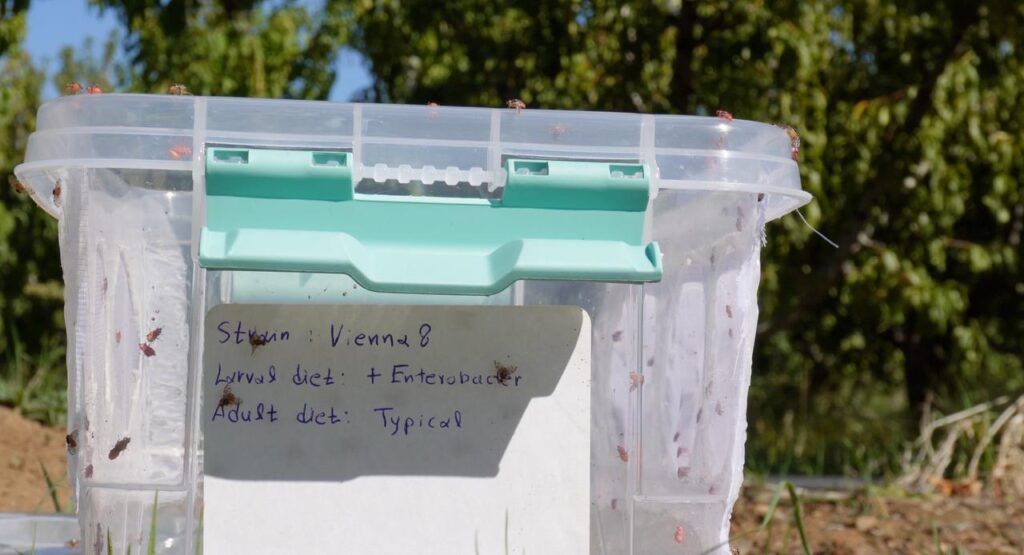
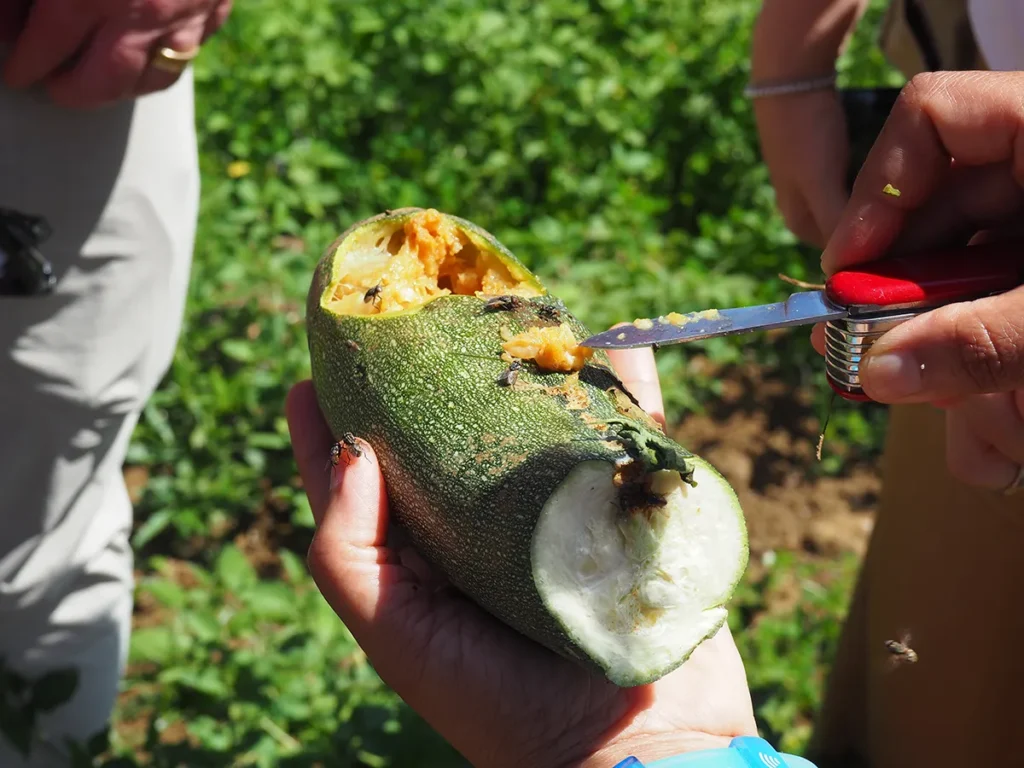
Larvae on Monitor

Two new REACT-linked studies highlight major advances in sustainable pest control. One introduces a stable CRISPR-based genetic sexing strain for Mediterranean fruit fly SIT programmes, while the other uncovers host-specific microbiome dynamics in Enterobacter, opening new opportunities for microbiome-enhanced insect management.

Read More

New study calls for an “OFF-season shift” in fruit fly management

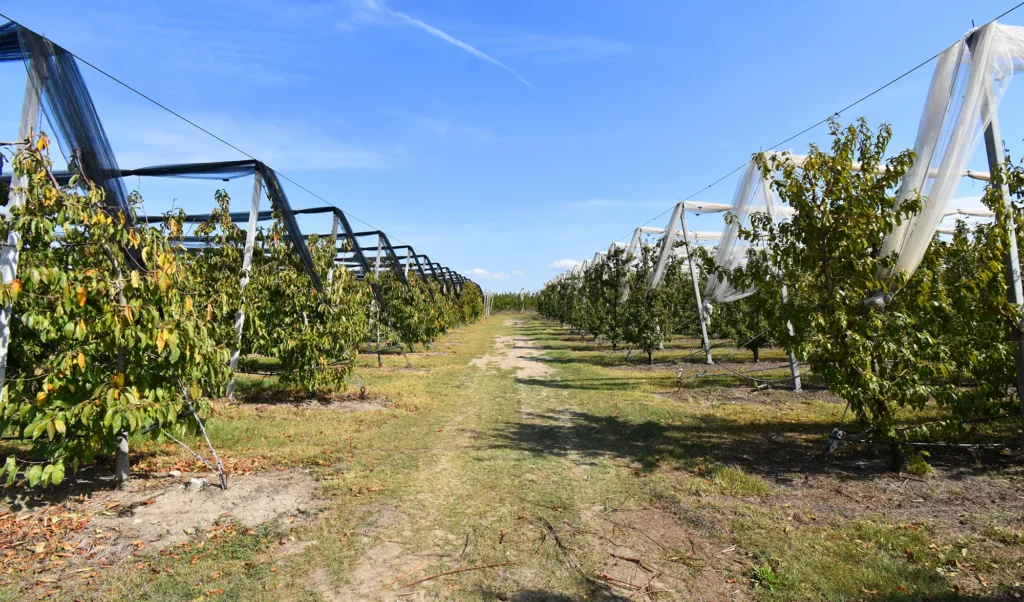
Peach plantation in Greece

A new study by Lux, Sciarretta, and Papadopoulos challenges the traditional logic of Integrated Pest Management for tropical fruit flies. Using simulations across Italy, the researchers show that Mediterranean fruit fly populations expand unseen long before monitoring traps detect them. By the time control measures begin, it’s already too late for biological methods to work effectively. The authors call for an “OFF-season shift” — targeting the few overwintering flies before they trigger population booms. This preventive approach could sharply reduce fruit infestation and pesticide use across Europe.

Read More

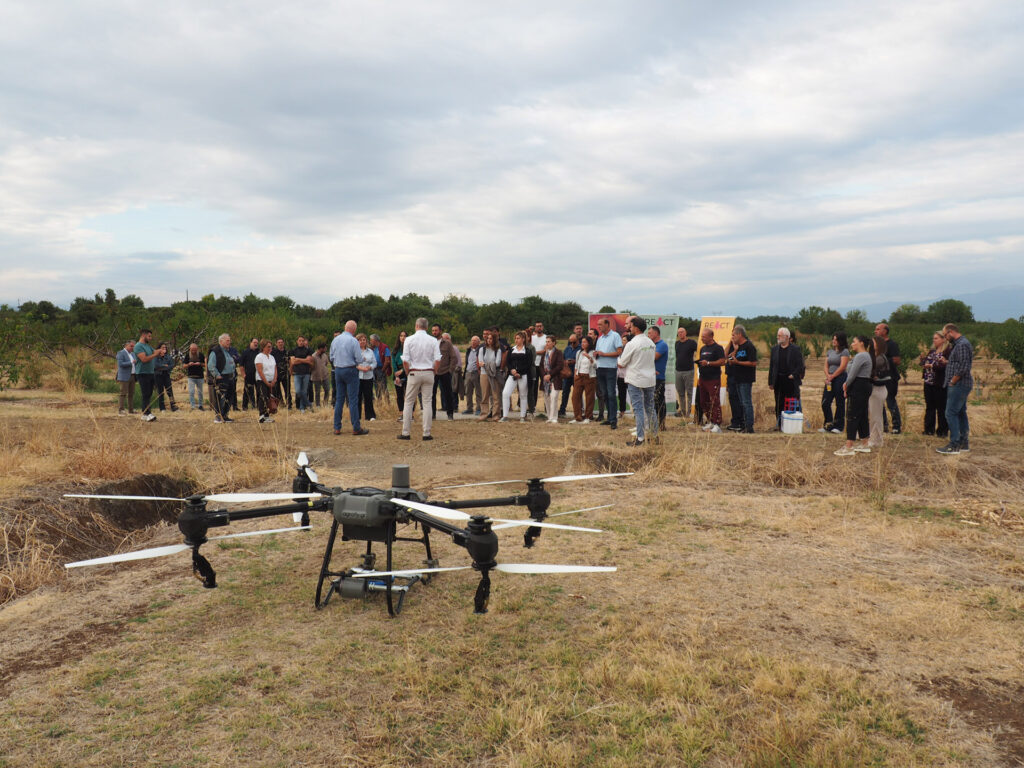
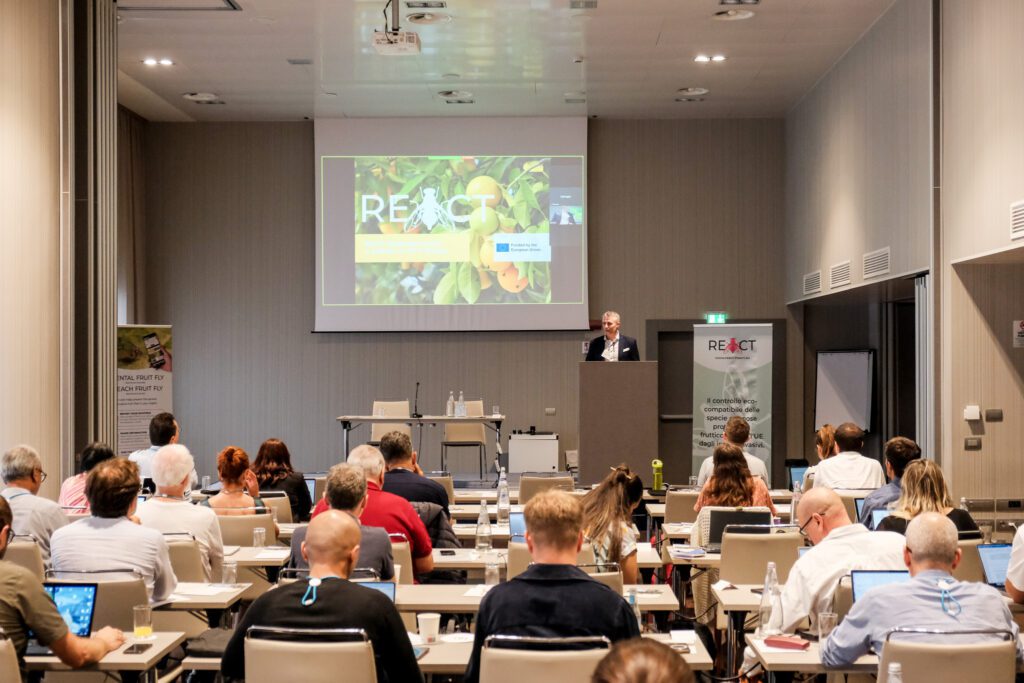
REACT Stakeholder Meeting in Parma: Innovation, Regulation and the Future of SIT

A groundbreaking study by Aumann et al. (2025) reveals the genetic foundation of temperature-sensitive lethality (tsl) in the Mediterranean fruit fly (Ceratitis capitata), a key trait in the Sterile Insect Technique (SIT) for pest control. By identifying a single-point mutation in the Lysyl-tRNA synthetase (LysRS) gene through genome analysis and CRISPR/Cas9 editing, researchers replicated and reversed the tsl effect. These findings open the door to applying tsl-based genetic sexing in other pest species, offering a sustainable, DNA-neutral approach to species-specific population control.

Read More

A Genetic Milestone for Pest Control: New Insights into Temperature-Sensitive Lethality in Medfly

Mediterranean fruit fly

A groundbreaking study by Aumann et al. (2025) reveals the genetic foundation of temperature-sensitive lethality (tsl) in the Mediterranean fruit fly (Ceratitis capitata), a key trait in the Sterile Insect Technique (SIT) for pest control. By identifying a single-point mutation in the Lysyl-tRNA synthetase (LysRS) gene through genome analysis and CRISPR/Cas9 editing, researchers replicated and reversed the tsl effect. These findings open the door to applying tsl-based genetic sexing in other pest species, offering a sustainable, DNA-neutral approach to species-specific population control.

Read More

REACT Consortium Contributes To Scientific Breakthrough

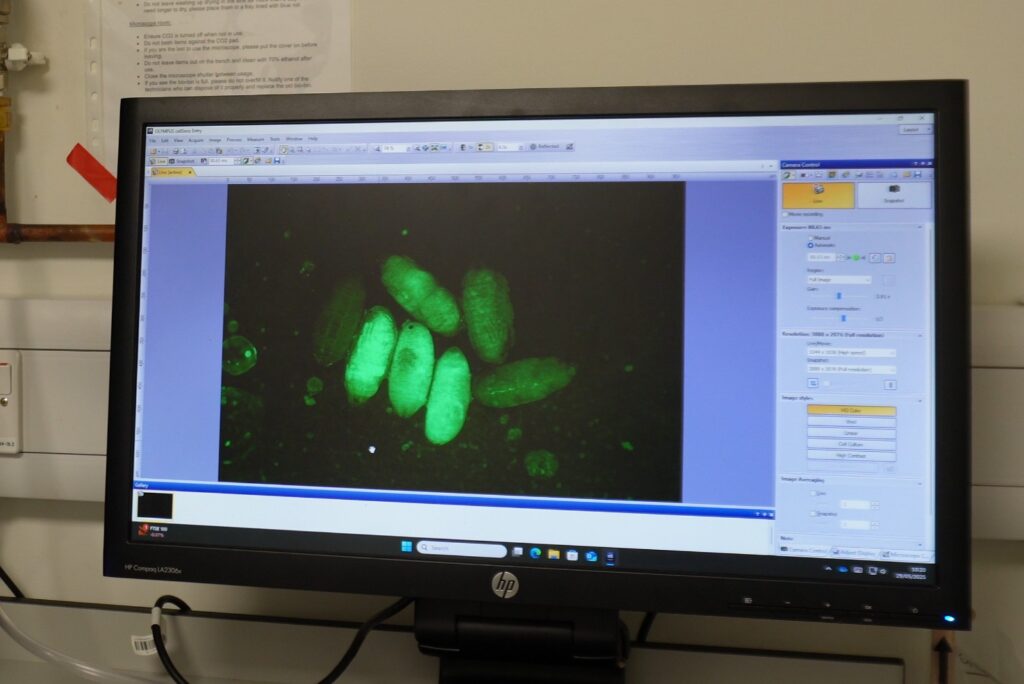
In this study, we designed and validated a minimal version of the white pupae gene (mini-wp), which restores wild-type pupal colour in Medfly mutants. The construct was effective across various genomic insertion sites, even on the X chromosome, and supports the development of neo-classical Genetic Sexing Strains (GSS) for enhanced Sterile Insect Technique (SIT) programmes.
This new tool could help to expand the SIT to more pest species, making mass-rearing and male-only releases more precise and efficient.

Read More

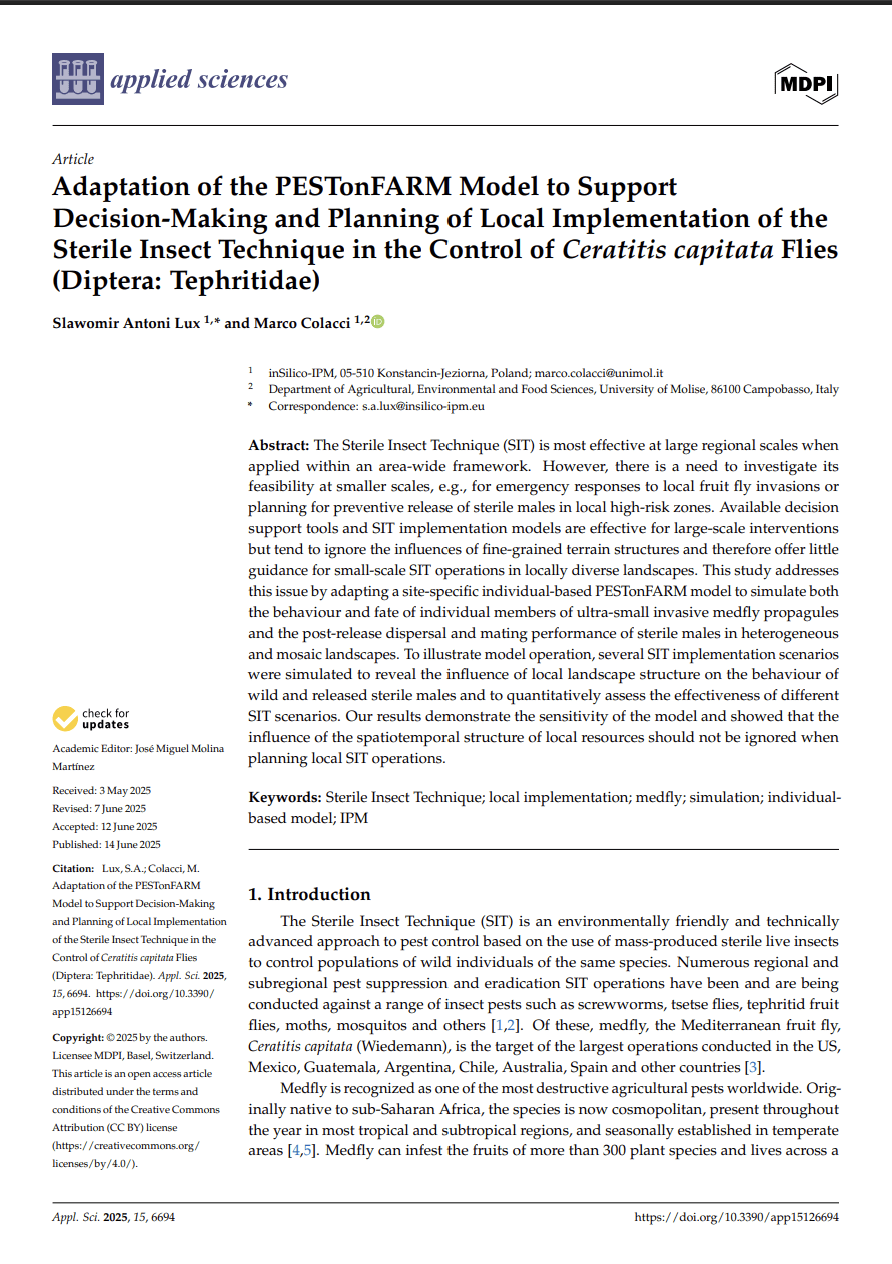
New Study Enhances Local Planning for Sterile Insect Technique

Article

A new open-access study, supported by the REACT Horizon Europe project, introduces an advanced decision-support system for fine-scale planning of the Sterile Insect Technique (SIT) against Mediterranean fruit flies. By enhancing the PESTonFARM model, researchers Slawomir A. Lux and Marco Colacci enable localized simulations using real-world data from Greece. Their findings show how topography, fruit distribution, and release methods affect SIT success—offering critical guidance for pest control in complex agricultural landscapes.

Read More

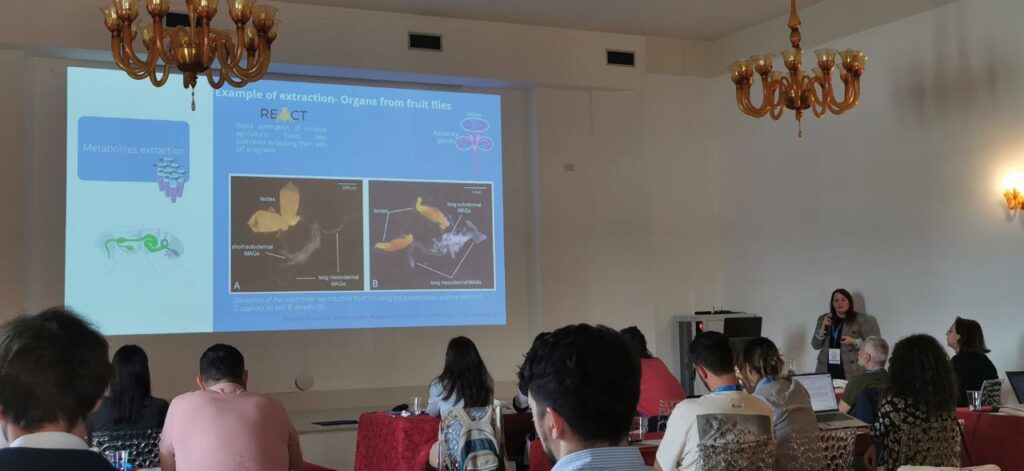
Exploring Metabolomics for One Health: REACT Highlights from the Metabolomics Academy

Conference

The Metabolomics Academy, hosted by CNR’s Institute of Bioinformatics and Structural Biology, offered a deep dive into metabolomics through a One Health lens. Among the highlights was Marcella Bonanomi’s presentation on the REACT project, detailing metabolite extraction techniques in tephritid fruit flies and their implications for pest control via the Sterile Insect Technique. The event fostered dialogue between emerging scientists and seasoned researchers, reinforcing the role of metabolomics in addressing interconnected health challenges.

Read More

CRISPR-based Breakthrough: A New Self-Limiting Genetic Tool to Control the Mediterranean Fruit Fly

Visualization

Researchers have developed a groundbreaking genetic tool to control Mediterranean fruit fly populations using a CRISPR-based system that converts females into sterile males or intersexes. This self-limiting method offers a scalable, cost-effective alternative to traditional pest control techniques.

Read More
Call for Abstracts

10th IOBC-WPRS Working Group Meeting

Innovative Pest Control: Shaping the Future of Sustainable Agriculture

10th IOBC-WPRS Working Group Meeting

DATE

22.–24. Nov 2026

LOCATION

OAC, Chania, Crete

The IOBC-WPRS Working Group “Modern Biotechnology in Integrated Plant Production” invites you to a joint meeting held in collaboration with the EU-funded project REACT.

Submit your abstract now → Register for the conference →

MORE INFORMATION: iobc-wprs.react-insect.eu